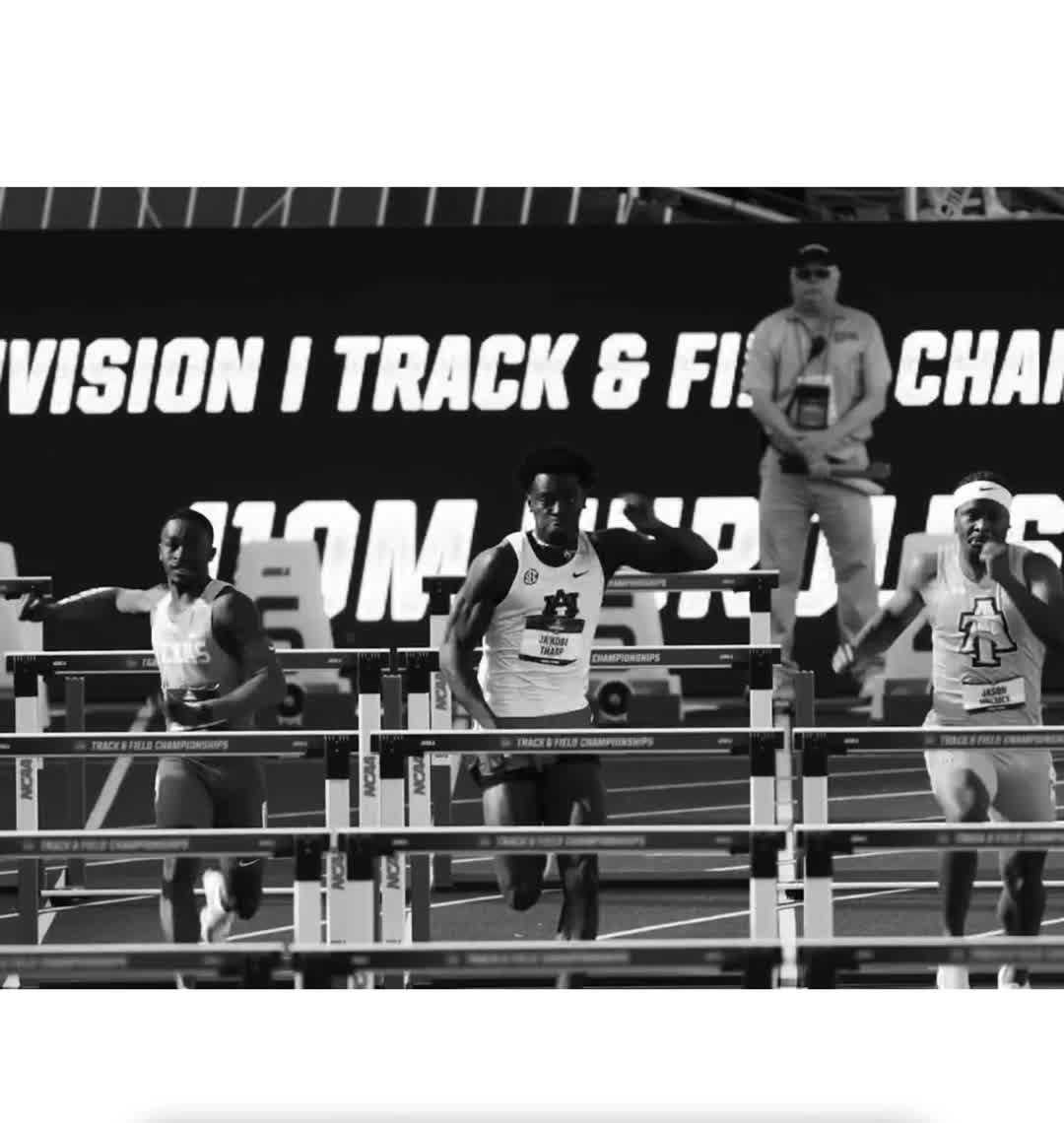
Alright, let’s compare these two races. On the top, we have the 12.90 NCAA Finals performance, and on the bottom, the 12.75 preliminary race.
One of the biggest differences I see is what the right arm is doing over the hurdle.
In the 12.90 race, watch how the right arm works across the body. The right and left arms almost become linked together. When the right arm moves, it ends up pushing the left arm out of position, creating extra rotation through the shoulders and torso.
Now, that may not seem like a big deal, but in hurdles, every unnecessary movement has a cost. Because of that excess rotation, he’s not able to get back to sprint mechanics as quickly when he lands. Instead of coming off the hurdle and immediately attacking the ground, he has to spend time correcting that rotation before he can fully accelerate.
Now compare that to the 12.75 race.
The right arm is much cleaner and more compact. It stays within its lane and doesn’t interfere with the left arm. As a result, the shoulders stay more stable and square to the direction of travel. That allows him to come off the hurdle running sooner and transition back into sprint mechanics much more efficiently.
Watch the first few steps after touchdown. In the 12.75 race, you can see that he’s already back into sprinting almost immediately. In the 12.90 race, there’s a slight delay because that upper-body rotation has to settle before he can reestablish efficient sprint mechanics.
At this level, we’re talking about very small differences, but those small differences add up over ten hurdles. The cleaner arm action in the 12.75 race helps him maintain velocity between hurdles, while the extra rotation in the 12.90 race creates just enough disruption to cost valuable time.
So if I had to point to one major technical difference between these two performances, it would be the right arm’s interaction with the left arm and the effect that has on body rotation and the ability to get back to sprinting efficiently after each hurdle.

Integrate Toes and Heel: Integrate the toe and heel relationship to define their ratio and movement. Develop a model that pairs the toes and heel to optimize athletic performance.
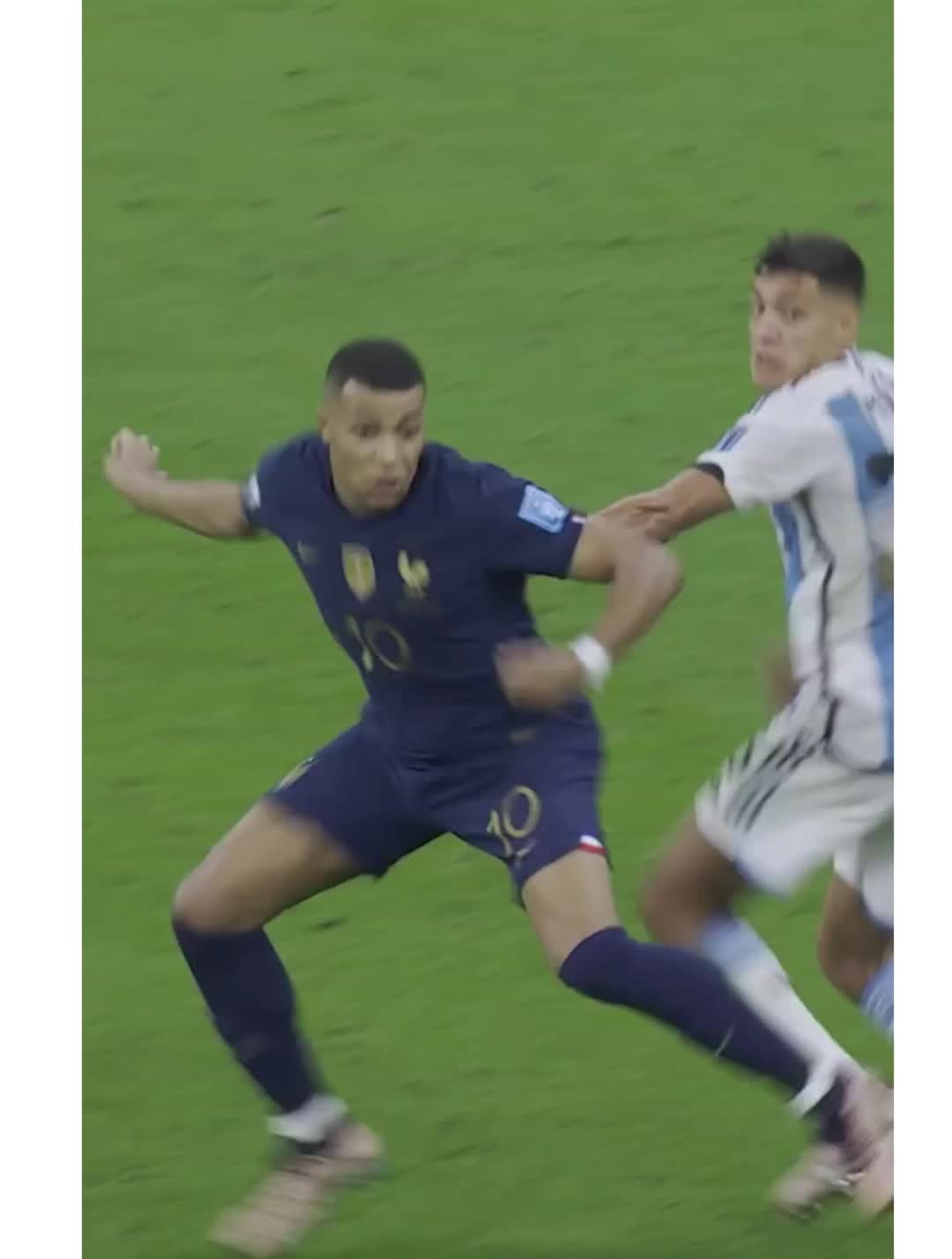
This sounds like a really cool biomechanics/balance demonstration! From your description, it seems like the soccer player is showing controlled instability — essentially demonstrating how a powerful kick works through momentum and weight transfer.
What he’s illustrating is:
The key physics of a soccer kick:
• Each time he puts a foot down slowly/deliberately, his center of gravity stays balanced → no fall
• But when he commits to the kick, he intentionally falls into it — that forward momentum transfers directly into the ball
• The “jab step” you mentioned is classic — it’s a quick plant that loads the hip and core like a spring
It’s the same principle as throwing a punch or a baseball pitch — you’re not just swinging a limb, you’re falling controlled into the strike. The plant foot is what converts that fall into rotational power rather than face-planting.
The height comparisons at the start were probably showing the arc of the kicking leg — how the leg needs to drop low before sweeping through, which is where the power comes from.
Is this a coaching drill video, or more of a physics/sports science explainer? Would love to know who the player is!
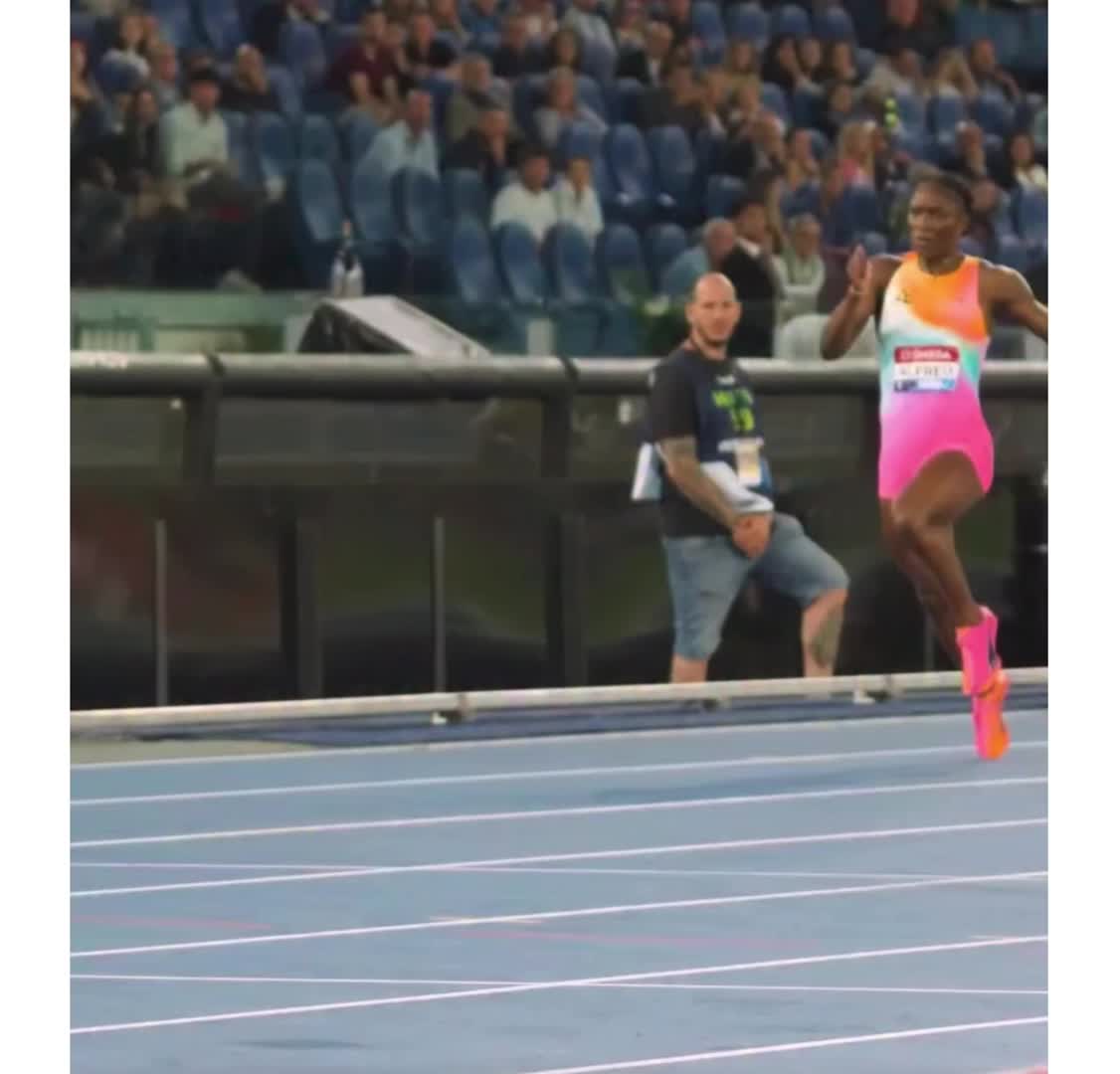
So the sequence makes more sense now as:
Ground pushes up → foot rolls medially as a consequence of forward momentum, not as an active or intrinsic foot movement.
It’s almost like the foot is a passive receiver of force in this moment — the outside edge lands, and then the ground reaction force coming up meets the body’s forward travel, and the foot rolls inward as a natural result of those two forces interacting. The heel dropping is part of that same roll, not a separate event.
.
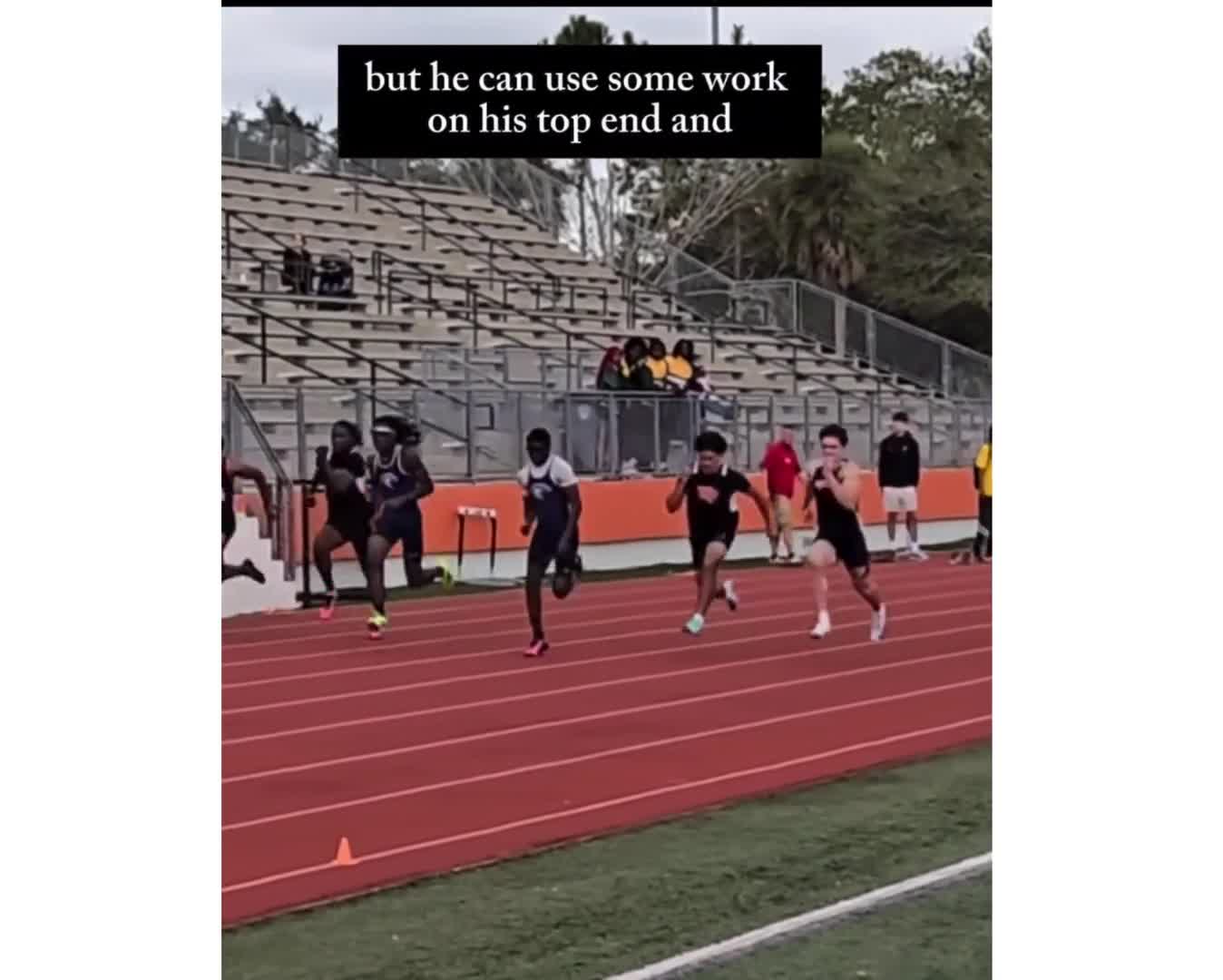
Video showing the pink elephant in the room when it comes to sprinting. The person is being trained to have a vertical shin with no bend at the knee, tall and upright, but the example shown of a vertical shin is of a person sitting in the bucket or squatted but no straight knee.
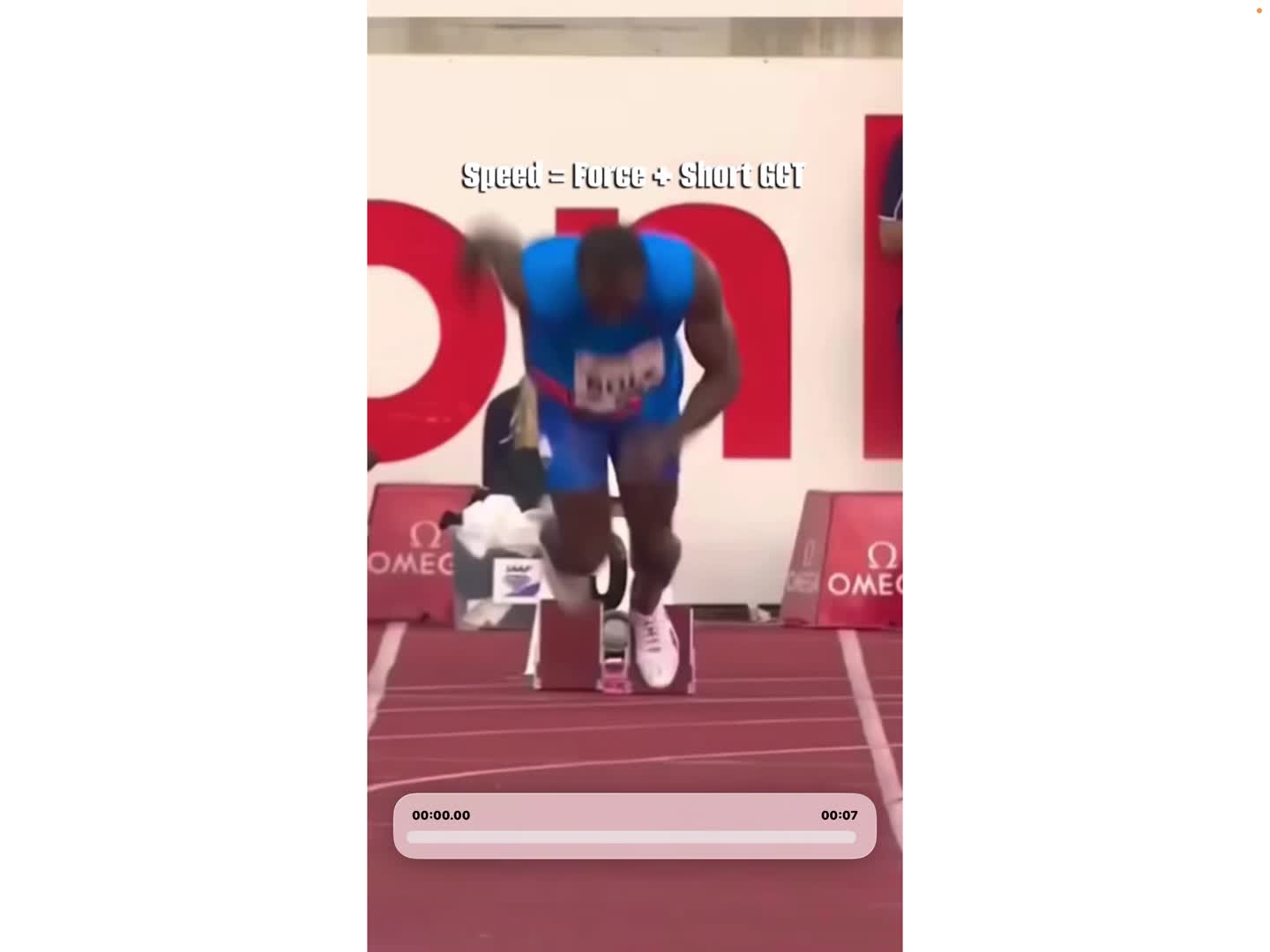
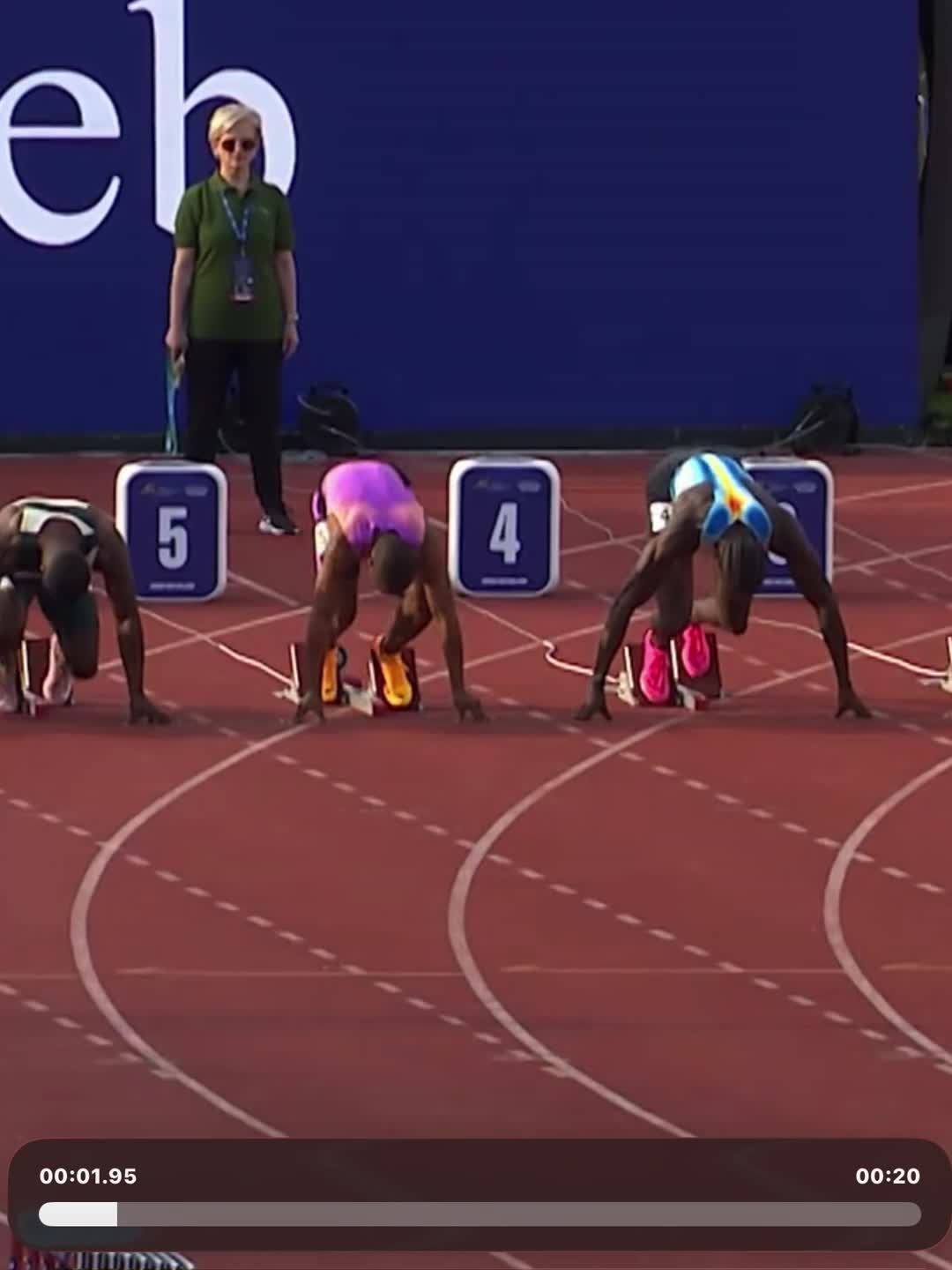
False step, not a bad position. The left leg gets compromised, so it briefly lightens—just enough to release pressure—then reestablishes in a better position. The left shoulder coordinates this reset, keeping the system organized. Instead of forcing the step, the body unloads, resets, and continues. Elite sprinters don’t avoid errors—they recover instantly.
