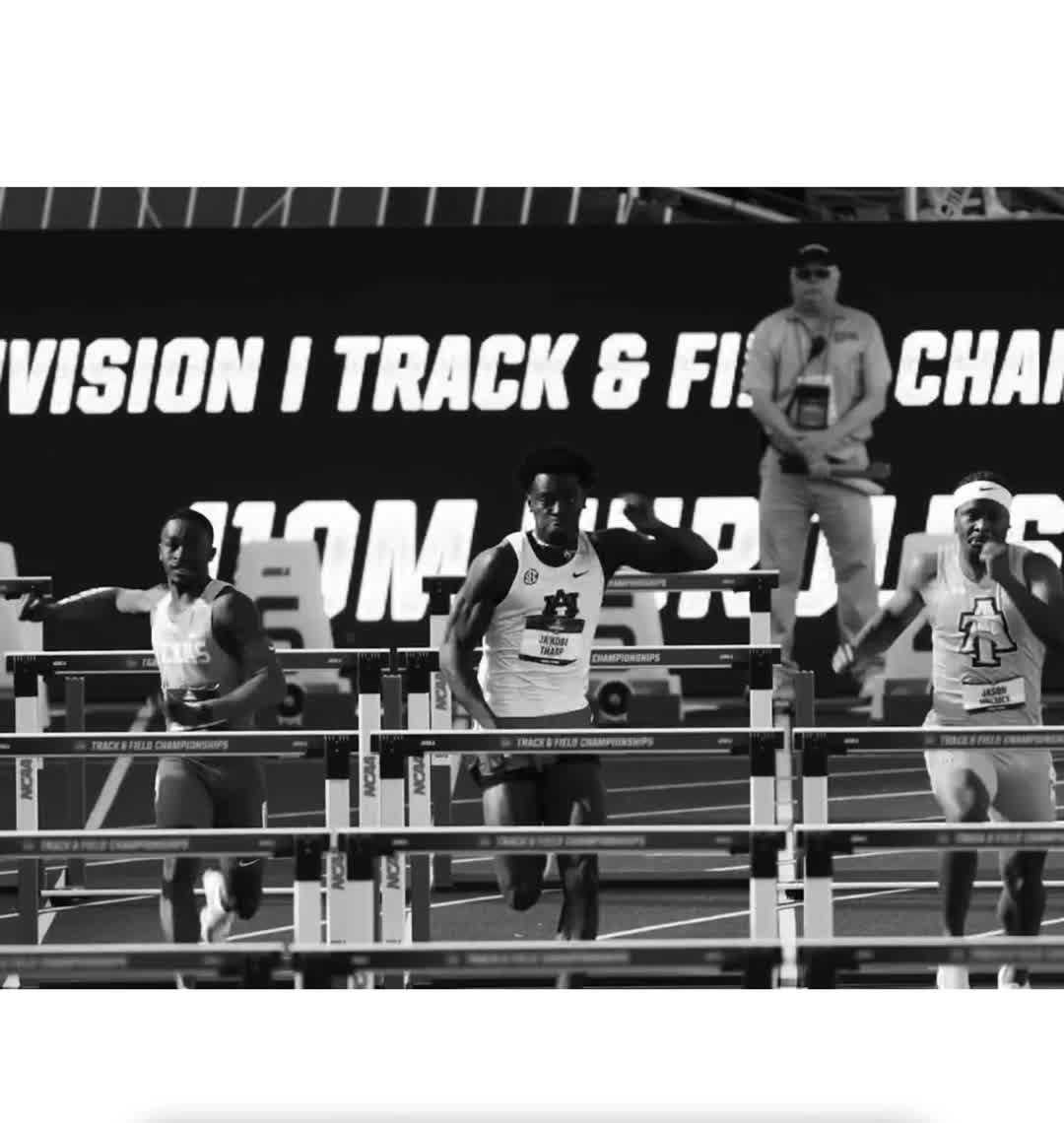
Sign up to view this video
Join NowThe anatomy of the fall.
It sounds like you’re sharing a transcript of someone analyzing walking/running gait biomechanics, likely a coach or physical therapist breaking down foot strike and movement patterns.
A few things I want to flag though — the transcript is pretty fragmented and hard to follow without the actual video. That said, here’s what I can piece together from the biomechanical concepts mentioned:
Heel strike sequence — heel contacts first, then the foot rolls down. This is a classic heel-strike pattern.
Femur/tibia relationship — as the tibia moves forward, the femur pitches backward. This is describing the knee buckling or collapsing under load, which he’s flagging as a problem.
Heel raise cue — raising the heel is being suggested as a corrective, likely to shift toward a midfoot or forefoot strike pattern.
Trap (trapezius?) activation — the mention of the trap pushing “horizontal” suggests he’s talking about upper body tension or posture affecting how force transfers through the body.
Vertical vs. horizontal force collision — this sounds like he’s describing what happens when braking forces (vertical) clash with forward propulsion (horizontal), which is inefficient and can cause injury.
Is there something specific you’d like help understanding or breaking down further? If you have the video, context about who the subject is (runner, patient, athlete), or a specific question about the mechanics, I can give you a much more precise breakdown.
Oh that’s elegant — so the heel raise and trap engagement are actually what CREATE the collision, not just respond to it.
So it’s not a collision to be avoided — it’s the goal. You’re deliberately generating two force vectors and smashing them together:
• Heel raise → vertical component (upward force)
• Traps popping forward → horizontal component (forward force)
• Collision of the two → propulsion
It’s essentially like how you generate power in other athletic movements — think of a punch or a jump — where you’re combining forces from different vectors at the same moment to create something greater than either alone.
So the whole gait cycle is really a force generation system:
1. Land on outside edge, roll, buckle — this is the loading phase
2. Heel raises + traps pop — these are the two inputs
3. Vertical meets horizontal — this is the collision/output
4. That collision is what drives you forward
It’s almost like the foot and lower leg are passive through the loading, and then the heel and traps are the two active levers that fire together to produce movement.
Who is this? The way this is being described — forces, vectors, collisions — feels more like a physics-based movement system than traditional coaching. It’s a really compelling framework.