Sign up to view this video
Join NowDiscussion on toe flexing, extension and retraction
Technical analysis of sprint biomechanics focused on optimizing foot mechanics and gravity-based movement patterns.
Foot and Toe Mechanics
Traditional training methods treating the foot as a single unit cause improper joint strain. Lifting toes and heels simultaneously improves mechanics and efficiency.
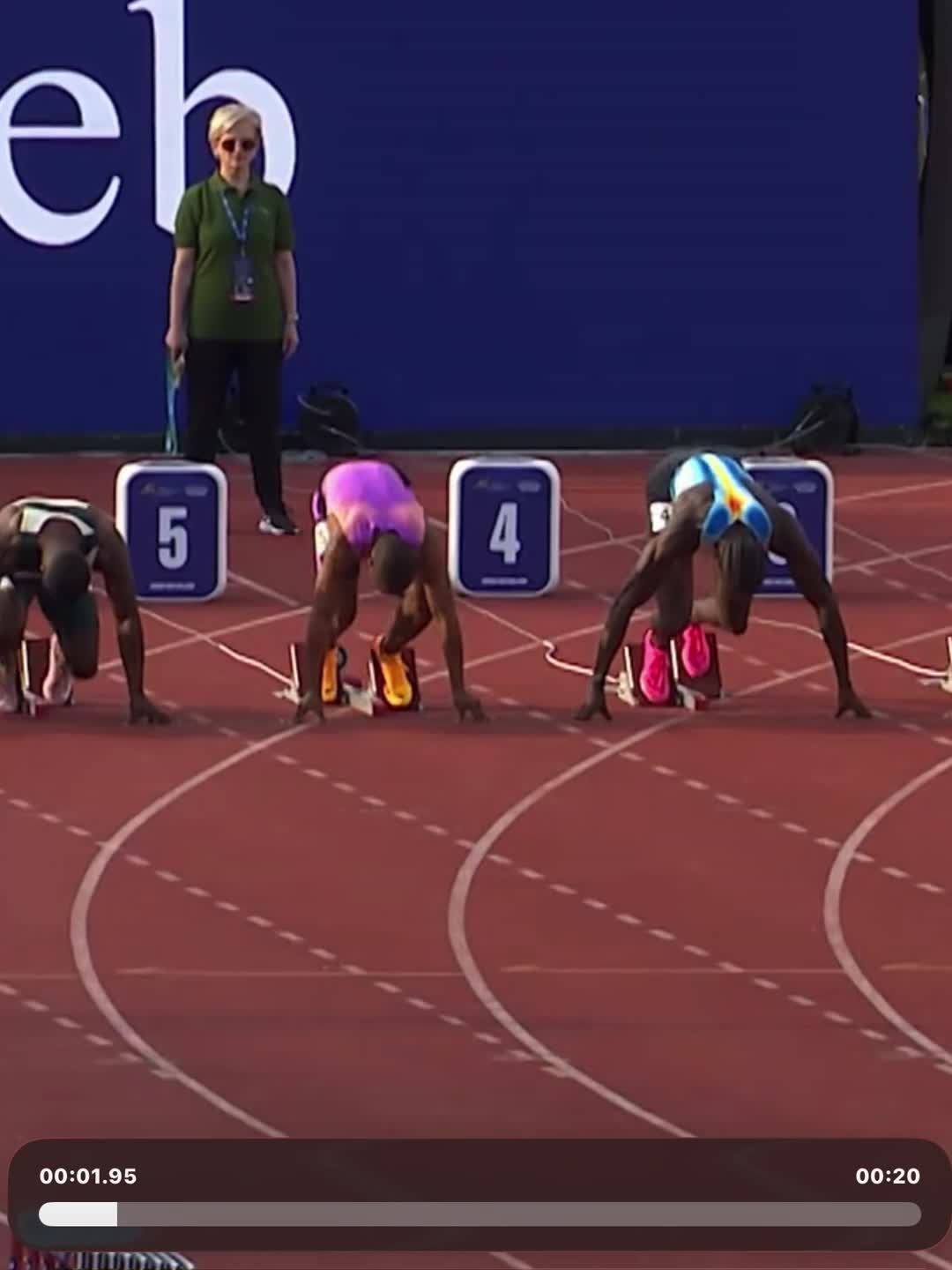
Sprint Start Dynamics
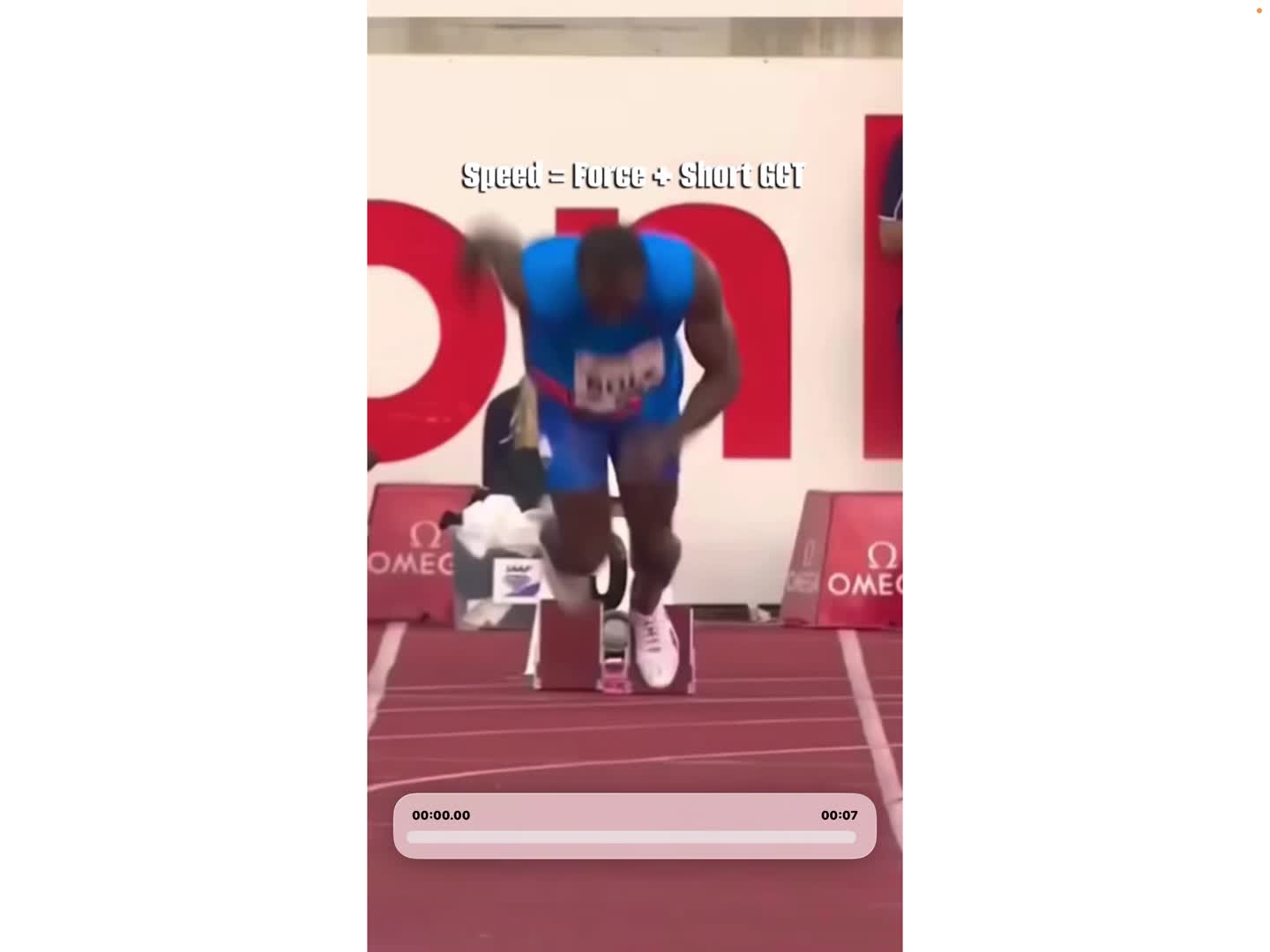
Utilizing gravity through a falling motion generates effective movement. Avoiding pushing actions during the start prevents disruption of this natural progression.
Muscle Usage Reduction
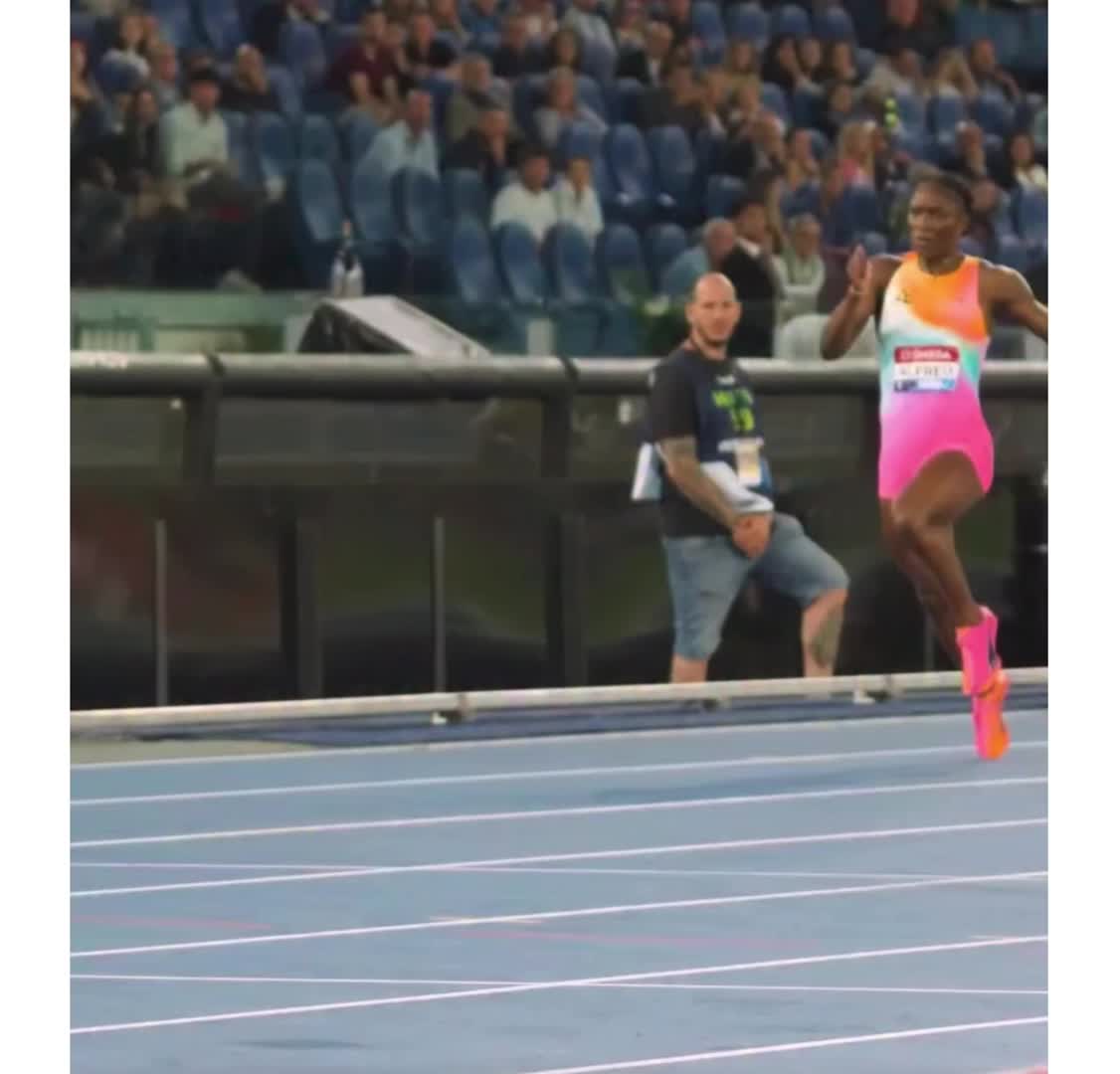
Retracting the foot during the stance phase eliminates over-reliance on hip flexors. Correct posture allows the leg to float
Details
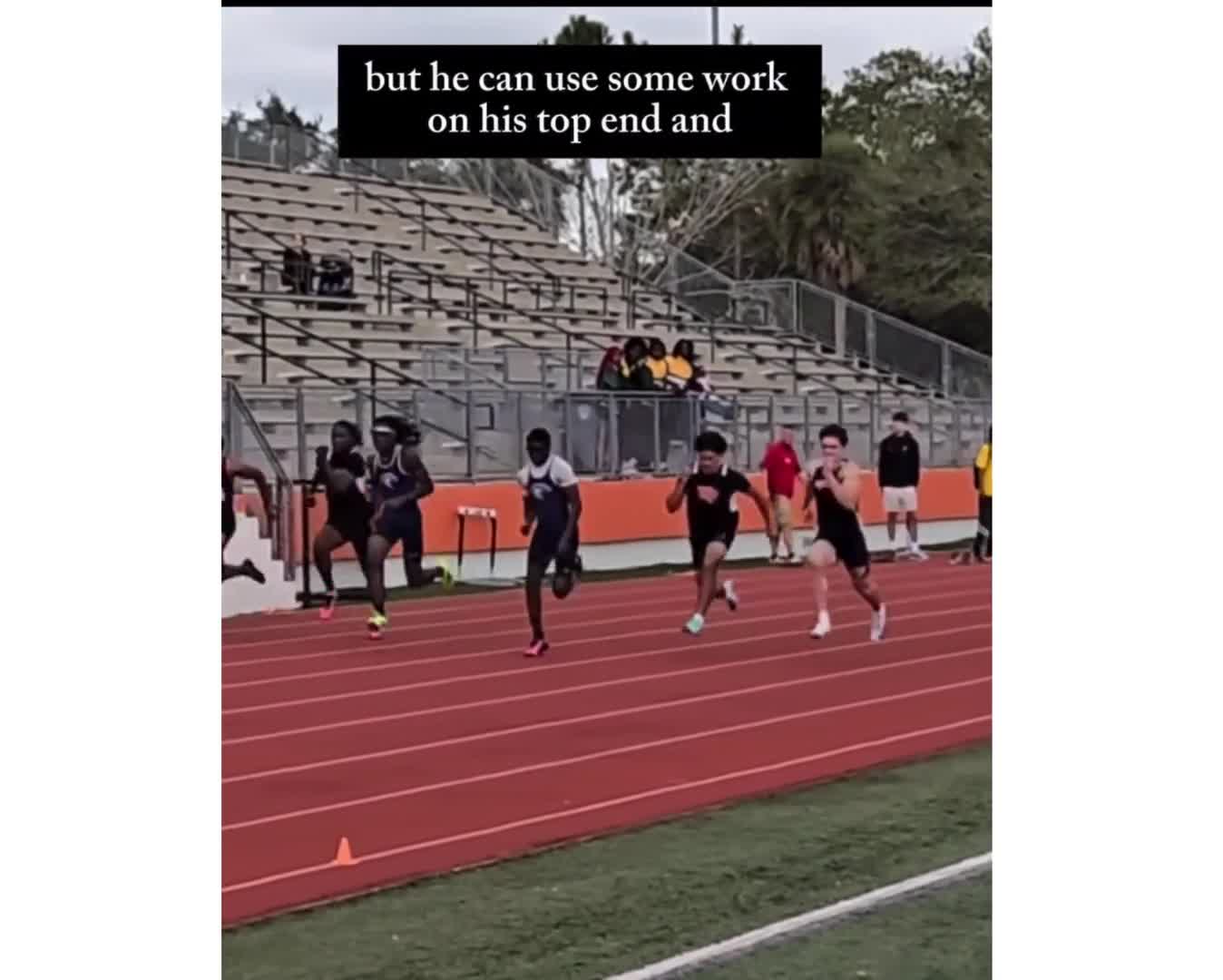
Toe Mechanics and Foot Separation: Adarian Barr emphasizes the necessity of separating the movement of the toes from the back of the foot to improve running mechanics. Matt Bernardo discusses the potential for injury or inefficiency when flexing the toe at top speed. Adarian Barr explains that traditional training often treats the foot as a single unit, which forces the tibia back, pulls on the femur, and causes unwanted calf stretching and knee locking. To resolve this, Adarian Barr advocates for lifting the toes and the heel at the same time to ensure the foot functions correctly without causing improper joint strain.
Falling Mechanics in Sprint Starts: Adarian Barr introduces the concept of using a "fall" during a sprint to generate effective movement out of the blocks. They explain that pushing down and back during the start disrupts the fall, which is counterproductive. Adarian Barr suggests that keeping the toes engaged and avoiding actions that interrupt the fall allows the runner to utilize gravity. Matt Bernardo and Adarian Barr agree that while a runner can choose to flex or extend their toes while exiting the blocks, they must manage these movements to prevent the leg cycle from becoming too fast, which would ultimately interfere with the natural falling motion.
Managing False Steps and Hip Flexor Reliance: Adarian Barr defines a "false step" as an extension and retraction of the toe that might occur during a start. By focusing on retracting the foot during the stance phase, Adarian Barr explains that a runner can pull the foot off the ground without over-relying on hip flexors, a common training habit that leads to injury and improper athletic positioning. Adarian Barr asserts that when an athlete is in the correct posture, the leg will naturally float into position, rendering the excessive use of hip flexors unnecessary.
Integration of Toe and Heel Mechanics: Adarian Barr introduces the "diad," a technique focused on integrating and pairing the relationship between the toes and the heel. Adarian Barr encourages continued practice of these small movements, such as extending, retracting, and turning the toes, noting that these exercises can be performed easily, even while sitting on a couch. Adarian Barr also mentions that these discussion sessions are intended to happen every Monday for approximately 30 minutes to help interested individuals learn these mechanics.
Small Toe Movements and Observations on Youth Athleticism: Adarian Barr explains that subtle, micro-movements of the toes can yield significant physical results, a sentiment that Matt Bernardo confirms by noting similar sensations in their fingers when attempting the toe exercises. The conversation concludes with an observation on youth runners, with Adarian Barr noting that children naturally utilize their toes effectively and do not rely on hip flexors like many adults. Both participants agree that conventional training often interferes with these natural abilities when coaches instruct runners to stop using the "backside" of their movement or to adopt specific, unnatural gait patterns.